
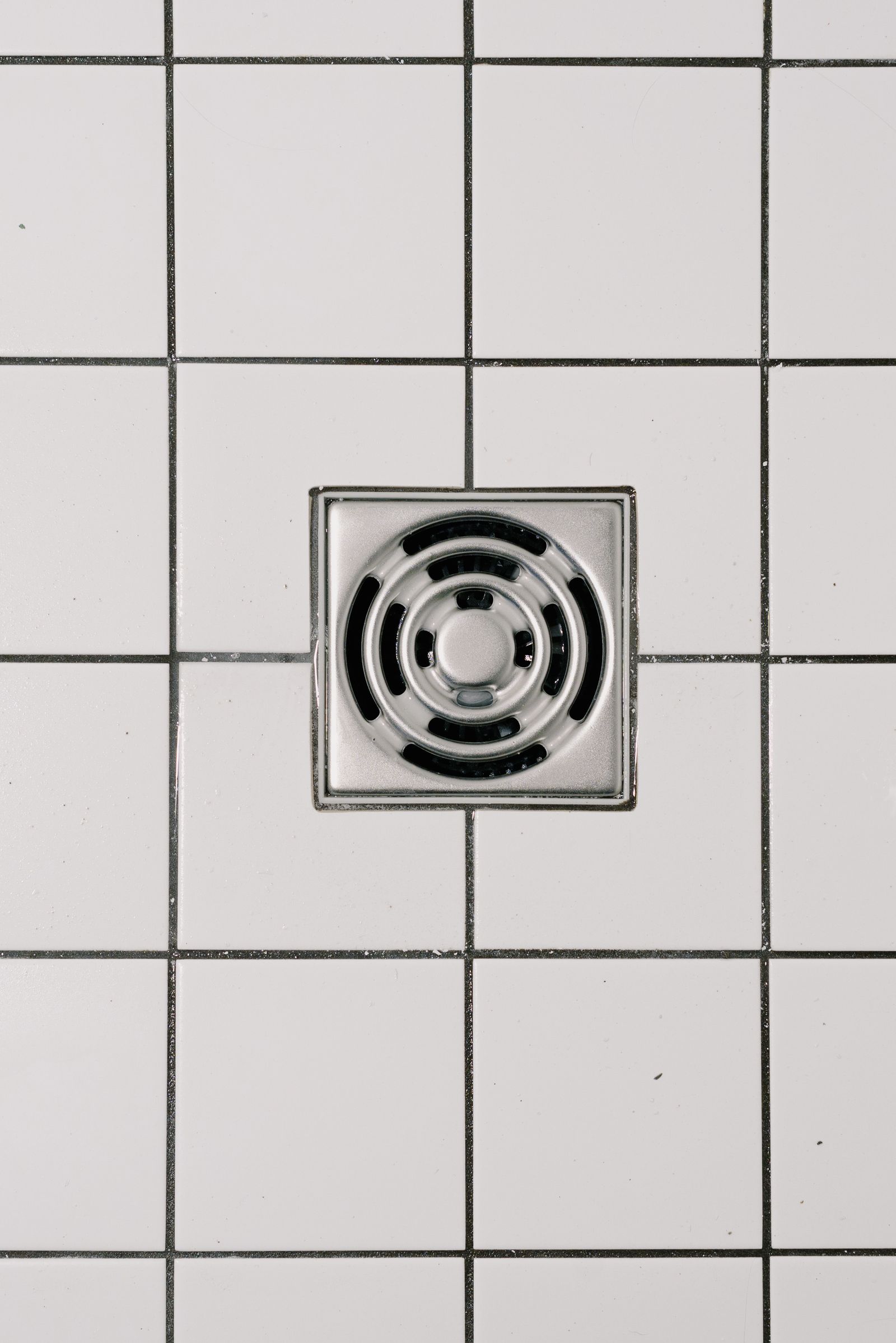
Most homeowners have cleared the same drain more than once. It slows down, a bottle of opener or a small hand auger sorts it out, and a few weeks later it is slow again. That pattern is not bad luck — it means whatever caused the first clog is still in the pipe.
In kitchen lines the culprit is almost always grease. Warm, fatty water runs down the pipe without trouble, but it cools on the way and coats the inside walls. That layer catches everything that follows — coffee grounds, rice, pasta — until the opening is a fraction of its original size. Clearing the soft plug in the middle is easy; the grease film on the pipe wall is what brought you back.
Bath and shower drains are usually hair, soap scum, and the sticky biofilm that forms where they meet. A stopper or trip lever that can be pulled out makes this a five-minute fix. Deeper in the line, the same goo narrows the pipe the same way grease does in a kitchen.
When the same fixture keeps slowing down, or when more than one fixture acts up at once, the problem is usually further along — in the main line, where tree roots find a joint or an offset and catch everything that passes. That is when a camera inspection earns its cost: you see the inside of the pipe, the actual obstruction, and whether the line needs jetting, a repair, or simply another clear.
Between visits, the habits that matter are unglamorous: scrape plates into the bin rather than the sink, keep grease in a can instead of the drain, pull hair out of shower stoppers before it travels, and run hot water for a few seconds after heavy sink use. None of that replaces clearing a line that is already blocked, but it is the difference between a drain that holds and one that keeps calling you back.